This rare longhorn beetle inhabits submontane and montane landscapes, particularly
sunny woodland edges, tree avenues and isolated trees in mountain meadows. In
the Czech Republic, it occurs mainly at elevations of 600–1,200 m, with important
populations in Šumava, Jeseníky and the Beskydy Mountains.
Larvae develop in maples, mainly in sycamores (Acer pseudoplatanus). They favour
sun-exposed trunks and branches of living but often weakened trees that can vary
considerably in size. Larvae create characteristic galleries beneath the bark, where
development generally takes two years. Adults reach up to 25 mm in length and are
active from May to August.
The species is classified as Endangered according to the Czech Red List.
Conservation should prioritise retaining suitable living trees, including damaged
individuals, and maintaining their exposure to sunlight. Protecting these habitats can
also benefit other species associated with mountain broadleaved trees.
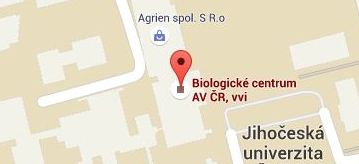
Biology Centre CAS Institute of Entomology Branišovská 31 370 05 České Budějovice Czech Republic